Why Apple Silicon Costs More — And Why It’s Worth It in 2026
In 2026, the discussion around why Apple Silicon costs more compared to its predecessors and PC rivals continues, yet the reasons have solidified into a compelling narrative of value. For many, the initial price tag of an Apple Silicon Mac might seem daunting. However, to truly understand the investment, one must look beyond the immediate expense and consider the holistic benefits these machines deliver. Apple’s groundbreaking shift from Intel to its proprietary System-on-a-Chip (SoC) design wasn’t just a technical upgrade; it was a redefinition of what a personal computer could be, establishing a new benchmark for performance, efficiency, and longevity. This article delves deep into the multifaceted reasons behind the premium pricing and illustrates precisely why this investment often proves to be remarkably worthwhile for consumers and professionals alike.
✨ Key Takeaways
- Integrated Architecture: Apple Silicon’s unified design (CPU, GPU, RAM on one chip) delivers unparalleled efficiency and performance, reducing bottlenecks common in traditional systems.
- Superior Efficiency & Battery Life: These chips offer significantly more performance per watt, leading to drastically extended battery life and cooler, quieter operation.
- Long-Term Value & Longevity: Apple Silicon Macs maintain performance over many years, benefit from consistent software optimization, and command higher resale values, leading to a lower total cost of ownership.
- Future-Proofing: Investing in Apple Silicon aligns with Apple’s long-term development roadmap, ensuring ongoing support, new features, and optimal performance with future software.
- Enhanced User Experience: The combination of speed, silence, and portability creates a fundamentally superior user experience that justifies the initial premium.
The Architectural Revolution: Why Apple Silicon Costs More to Develop
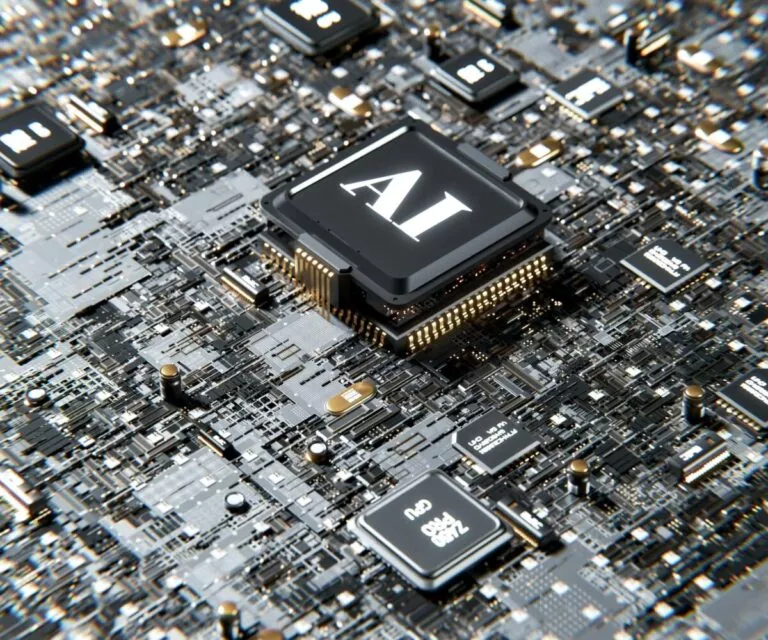
The genesis of Apple Silicon lies in a monumental engineering undertaking. Unlike purchasing off-the-shelf processors, Apple designed its chips from the ground up, tailored specifically for macOS and its ecosystem. This proprietary approach involves massive research and development expenditures, which naturally factor into the final product cost. Designing a System-on-a-Chip (SoC) like the M-series means integrating numerous components – CPU cores, GPU cores, the Neural Engine for AI/ML tasks, the Secure Enclave, and unified memory – all onto a single die. This level of integration is incredibly complex and costly to perfect.
By 2026, the pricing gap between Apple Silicon laptops and older Intel-based models is no longer a surprise, yet it still raises questions for buyers comparing options side by side. At a glance, machines powered by Apple’s in-house processors often command a noticeable premium, even when refurbished or sold through secondary markets. To understand why that premium persists — and why many buyers willingly pay it — it helps to look beyond headline specifications and consider how these machines perform, age, and retain value in real-world use.
The shift began when Apple moved away from Intel processors and introduced its own system-on-a-chip design. This decision was not merely a change of supplier; it represented a fundamental redesign of how hardware and software work together. By controlling the processor architecture, operating system, and core components as a single ecosystem, Apple gained efficiencies that traditional laptop designs struggle to match. Those efficiencies translate into tangible benefits that remain relevant years after purchase.
Unparalleled Performance Consistency
One of the most visible differences is performance consistency. Apple Silicon machines deliver strong performance not just in short bursts, but over sustained workloads. Tasks such as compiling code, editing high-resolution video, or running multiple demanding applications simultaneously tend to feel smoother and more predictable. Intel-based laptops, by contrast, often rely on higher power draw and aggressive thermal management to achieve peak performance, which can lead to throttling under prolonged load. This difference in behaviour becomes increasingly important as software grows more complex and resource-hungry.
Related:






The “burst performance” vs. “sustained performance” debate highlights a key differentiator. While some high-end Intel chips can match or even exceed Apple Silicon in brief, highly optimized tasks, Apple’s architecture is designed for efficiency and consistency. This means professional users running demanding applications for hours on end will experience fewer slowdowns and a more predictable workflow. This reliability is invaluable in creative and development fields, directly contributing to productivity and justifying the premium.
Energy Efficiency: A Game-Changer for Apple Silicon Costs
Energy efficiency is another key factor underpinning the price gap. Apple Silicon processors are designed to deliver high performance per watt, meaning they accomplish more work while consuming less power. In practice, this results in significantly longer battery life without compromising responsiveness. For many users, this is not a minor convenience but a fundamental change in how a laptop fits into daily routines. Being able to work a full day — or more — without reaching for a charger alters expectations of portability and reliability, and those expectations carry monetary value.
This efficiency also translates into less heat generation, allowing for quieter systems. Many Apple Silicon Macs can perform complex tasks without their fans ever spinning up, a stark contrast to the often loud and hot Intel-based counterparts. A cooler running machine is not only more comfortable to use but also generally experiences less wear and tear on internal components, potentially extending its lifespan.
The Long-Term Value Proposition
When considering the expense of an Apple Silicon Mac, it’s crucial to evaluate it as a long-term investment. The upfront cost is only one part of the equation; factors like longevity, software support, and resale value significantly influence the total cost of ownership (TCO).
Longevity and Graceful Aging
Longevity plays a major role in pricing logic as well. Laptops are not short-term purchases for most buyers; they are tools expected to remain useful for several years. Apple Silicon machines tend to age more gracefully because their performance headroom and efficiency provide a buffer against future software demands. As operating systems and applications evolve, these machines are better positioned to handle new features without feeling sluggish. Older Intel models, while still functional, often reach practical limits sooner as software optimisation increasingly favours newer architectures.
“The performance headroom and efficiency of Apple Silicon provide a crucial buffer against future software demands, ensuring these machines remain relevant for years to come.”
Software Support and Future-Proofing
Software support further reinforces this dynamic. Apple’s development focus is now firmly centred on its own processors, meaning new features, performance optimisations, and long-term updates are primarily designed with Apple Silicon in mind. While Intel-based Macs continue to receive updates, the direction of travel is clear. Buyers are effectively paying for alignment with the future of the platform rather than its past, and that alignment reduces the risk of early obsolescence.
By 2026, virtually all major software developers have released native Apple Silicon versions of their applications. Even niche tools often run flawlessly via Rosetta 2, Apple’s seamless translation layer. This ensures that users buying an Apple Silicon Mac today are investing in a platform that will receive optimal software performance and critical updates for the foreseeable future.
Integrated Hardware and Thermal Design
The integration of hardware components also contributes to the perceived value. Apple Silicon combines CPU, GPU, memory, and specialised accelerators into a unified architecture. This design reduces latency and improves efficiency across a wide range of tasks, from graphics rendering to machine learning operations. In contrast, traditional designs built around Intel processors rely on separate components communicating across slower interfaces. The unified approach not only improves performance but simplifies system design, reducing points of failure and improving overall stability.
Thermal design is another area where the benefits become apparent over time. Apple Silicon machines typically run cooler and quieter than their Intel counterparts, even under load. Reduced heat stress has implications beyond comfort; it can extend component lifespan and maintain consistent performance over years of use. Buyers may not consciously factor this into purchase decisions, but it influences satisfaction and reliability long after the initial cost is forgotten.
The Financial Perspective: Apple Silicon Costs vs. Total Cost of Ownership
While the upfront cost might be higher, a comprehensive financial analysis often reveals a different story about the true cost of owning an Apple Silicon machine.
Exceptional Resale Value
Resale value provides a more measurable justification for the price difference. Machines built on Apple Silicon tend to retain their value better than Intel-based models, reflecting market confidence in their longevity and desirability. When buyers consider total cost of ownership rather than upfront price alone, the gap narrows considerably. Paying more initially can result in a higher resale price later, offsetting much of the premium and making the long-term financial picture more favourable.
A common scenario sees an Apple Silicon MacBook Pro retaining 60-70% of its initial value after two to three years, a rate that few Windows laptops can match. This higher residual value means the actual depreciation cost per year can be surprisingly competitive, sometimes even lower than cheaper initial purchases.
Energy Savings Over Time
The significant power efficiency of Apple Silicon also translates into tangible energy savings. While minor for individual users, aggregated over years and millions of devices, this efficiency reduces electricity bills and contributes to a smaller carbon footprint. For businesses deploying fleets of Macs, these savings can become substantial.
User Experience and Market Dynamics
Beyond technical specifications and financial models, the user experience plays a pivotal role in justifying the premium. Apple has always prioritized user experience, and Apple Silicon takes this to a new level.
Compatibility and Frictionless Transition
Compatibility concerns, once a major hesitation point, have largely diminished by 2026. The vast majority of mainstream applications now run natively on Apple Silicon, and translation layers for legacy software are mature and reliable. This reduces friction for users transitioning from Intel systems and strengthens the case for paying extra to avoid compromises in performance or battery life. In many workflows, the differences are no longer theoretical but immediately noticeable.
For creative professionals, the ecosystem’s seamless integration is a major draw. From Final Cut Pro to Logic Pro, Apple’s own software is meticulously optimized for its hardware, delivering performance that is often unmatched on other platforms.
Shifting User Expectations
It is also worth considering how user expectations have shifted. Buyers now expect laptops to be fast, silent, and power-efficient simultaneously, rather than choosing between those qualities. Apple Silicon has reset the baseline, making older designs feel dated even if they were once considered premium. This perception affects pricing as much as raw specifications; value is shaped by how well a device aligns with contemporary standards.
The ability to unplug a MacBook Air, use it intensely for a full workday, and still have battery to spare, all while remaining completely silent, has become a standard that users now expect. This ‘always-ready’ experience is a premium feature that differentiates Apple Silicon.
The Role of Intel and Alternative MacBooks
The continued presence of Intel models in the market, powered by processors from Intel, still serves a purpose for certain buyers. Lower upfront costs can be appealing, particularly for short-term use or budget-constrained scenarios. However, the reduced price often reflects limitations in efficiency, future support, and resale potential rather than simple depreciation. For buyers weighing immediate savings against longer-term usability, the premium attached to Apple Silicon becomes easier to justify.
For those strictly constrained by budget or with very specific, legacy software needs, refurbished Intel Macs or even new entry-level Windows laptops might seem appealing. However, it’s critical to understand that these often represent a compromise on the modern computing experience that Apple Silicon offers.
Market Dynamics and Demand
Market dynamics reinforce this logic. As more users prioritise efficiency, battery life, and long-term support, demand for Apple Silicon machines remains strong. High demand sustains higher prices, particularly in the refurbished and secondary markets. This is not artificial inflation but a reflection of perceived and actual value delivered over time.
Apple’s ecosystem, brand loyalty, and consistent delivery of high-quality products also contribute to this sustained demand. The perceived status of owning an Apple product, combined with its tangible benefits, creates a strong market pull that helps maintain pricing.
Understanding the Premium: An Investment in the Future
Seen from this perspective, the price gap is less about branding and more about architecture, strategy, and lifecycle economics. Apple Silicon represents a different approach to computing, one that emphasises integration and efficiency rather than raw power alone. That approach aligns closely with how modern users work and how software is evolving.
The M-series chips are not just faster; they fundamentally change how applications can interact with hardware, unlocking new possibilities in areas like machine learning and real-time media processing. This isn’t just an evolution; it’s a paradigm shift that demands an investment in new tools and technologies, which reflects in the final price.
The Intangibles of Apple Silicon Ownership
Beyond the measurable benefits, there are several intangible aspects that contribute to the perceived value of Apple Silicon Macs:
- Peace of Mind: Knowing your machine will perform consistently and reliably, even years down the line, offers significant peace of mind.
- Seamless Ecosystem: For users already invested in Apple’s ecosystem (iPhone, iPad, Apple Watch), an Apple Silicon Mac offers unparalleled integration and continuity features.
- Design and Build Quality: While not unique to Apple Silicon, the overall industrial design, premium materials, and meticulous build quality continue to set Apple products apart.
- User Experience: The sheer joy of using a fast, silent, and long-lasting device that simply “gets out of the way” can be hard to quantify but is deeply valued by users.
Conclusion: Why Apple Silicon Costs More — And Why It’s Worth It in 2026
From a practical standpoint, paying more for Apple Silicon in 2026 is not an indulgence but an investment in usability, longevity, and future relevance. The premium reflects benefits that accrue gradually rather than immediately, rewarding patience rather than impulse. For buyers evaluating MacBooks in a crowded market, understanding this context transforms the price difference from a barrier into a rationale. Apple Silicon Macs represent the pinnacle of integrated personal computing, delivering a user experience that transcends mere specifications. Their superior performance-per-watt, industry-leading battery life, exceptional longevity, and robust software support combine to create a compelling argument for their higher initial cost. As technology advances, the gap between traditional architectures and Apple’s unified approach will likely widen further, cementing Apple Silicon’s position as a premium, yet ultimately worthwhile, investment.
Ultimately, the decision to invest in an Apple Silicon Mac comes down to individual needs and budget. However, for those who value long-term performance, efficiency, reliability, and a superior overall computing experience, the premium associated with Apple Silicon in 2026 is not just justified—it’s a smart strategic choice that pays dividends over many years.
Frequently Asked Questions about Apple Silicon Costs
How to Evaluate if an Apple Silicon Mac is Worth the Cost for You
Key Definitions